



Torque requirements for tightening a tension clamp are super important, especially when you're in the business of supplying these things, like I am. I run a tension clamp supply company, and I've seen firsthand how crucial it is to get the torque right.
First off, let's talk about what a tension clamp is. It's a device used in electrical and mechanical systems to secure conductors, cables, or other components under tension. There are different types of tension clamps out there, like the Bolted Tension Clamp, the Wedge Type Strain Clamp, and the Carbon Fiber Composite Core Conductor Tension Clamp. Each type has its own unique design and function, but they all share the common goal of providing a reliable connection under tension.
So, why are torque requirements so important? Well, if you don't tighten the tension clamp to the correct torque, you could end up with a whole bunch of problems. For starters, an under - tightened clamp may not hold the conductor or cable securely. This can lead to loose connections, which in turn can cause electrical arcing, overheating, and even equipment failure. In a mechanical system, a loose tension clamp can result in vibrations, which can damage the components over time.
On the other hand, over - tightening the clamp can also be a bad thing. It can cause excessive stress on the clamp itself, the conductor, or the supporting structure. This can lead to premature wear and tear, cracking, or even breakage. In some cases, over - tightening can also distort the shape of the clamp, which can affect its ability to make a proper connection.
Now, how do you determine the correct torque requirements for a tension clamp? There are several factors to consider.
The first factor is the size and type of the clamp. Different sizes and types of tension clamps have different torque specifications. For example, a larger clamp will generally require more torque to tighten than a smaller one. The material of the clamp also plays a role. A clamp made of a harder material may require more torque to achieve the same level of tightness as a clamp made of a softer material.
The second factor is the type of conductor or cable being clamped. The material, size, and shape of the conductor can all affect the torque requirements. For instance, a larger diameter cable may require more torque to secure it properly than a smaller one. And if the conductor is made of a more brittle material, you need to be careful not to over - tighten the clamp to avoid damaging it.
The third factor is the application environment. If the tension clamp is being used in a high - vibration environment, you may need to increase the torque slightly to ensure a secure connection. Similarly, if the clamp is exposed to extreme temperatures, the torque requirements may need to be adjusted accordingly.
To figure out the exact torque requirements, it's always a good idea to refer to the manufacturer's specifications. Most tension clamp manufacturers provide detailed torque charts based on the specific model and size of the clamp. These charts take into account all the factors I mentioned earlier and give you a clear guideline on how much torque to apply.
Let's take a closer look at the different types of tension clamps and their torque requirements.
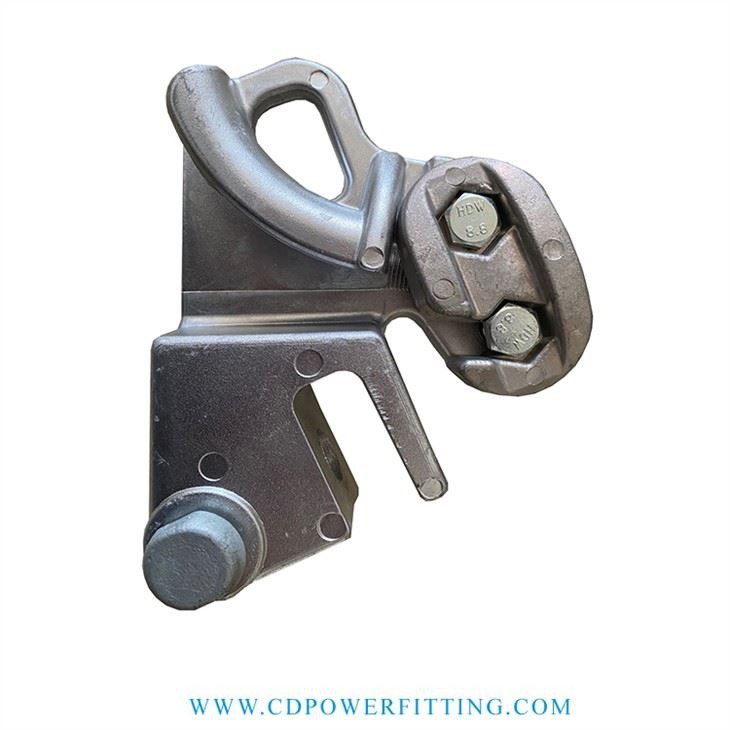
The Bolted Tension Clamp is one of the most common types. It uses bolts to tighten the clamp around the conductor. The torque requirements for a bolted tension clamp depend on the size of the bolts. Smaller bolts usually require less torque, while larger ones need more. For example, a 1/4 - inch bolt may require a torque of around 10 - 15 foot - pounds, while a 3/8 - inch bolt could need 20 - 30 foot - pounds.
The Wedge Type Strain Clamp works by using a wedge mechanism to grip the conductor. The torque requirements for this type of clamp are often related to the force needed to drive the wedge into place. This can vary depending on the size of the clamp and the conductor. Generally, you'll need to apply enough torque to ensure that the wedge is firmly seated and provides a good grip on the conductor.
The Carbon Fiber Composite Core Conductor Tension Clamp is a more specialized type of clamp. Carbon fiber composite core conductors are lightweight and have high strength, but they also require careful handling. The torque requirements for this type of clamp are designed to ensure a secure connection without damaging the delicate carbon fiber core. The manufacturer's specifications will give you the exact torque values for different sizes of carbon fiber conductors.

When it comes to actually tightening the tension clamp, you need to use the right tools. A torque wrench is the most accurate way to apply the correct amount of torque. It allows you to set the desired torque value and will click or give some other indication when that value is reached. Using a torque wrench ensures that you don't under - or over - tighten the clamp.
In addition to using a torque wrench, you also need to follow the proper tightening procedure. Usually, you should tighten the bolts or other fasteners in a criss - cross pattern. This helps to distribute the force evenly across the clamp and ensures a more uniform connection.
So, if you're in the market for tension clamps, whether it's the Bolted Tension Clamp, the Wedge Type Strain Clamp, or the Carbon Fiber Composite Core Conductor Tension Clamp, make sure you understand the torque requirements. And if you have any questions about which clamp is right for your application or what the correct torque values are, don't hesitate to get in touch with us. We're here to help you make the best choice and ensure that your tension clamps are installed correctly. Contact us for more information and to start the procurement negotiation process.
References:
- Electrical Installation Handbook by Schneider Electric
- Mechanical Engineering Design by Joseph Edward Shigley and Charles R. Mischke