


Hey there! As a supplier of Spacer Dampers, I've had my fair share of experiences dealing with the installation of these crucial components, especially in high - altitude areas. It's no walk in the park, let me tell you. In this blog, I'm gonna share some of the installation difficulties we've faced and how they can impact the whole process.
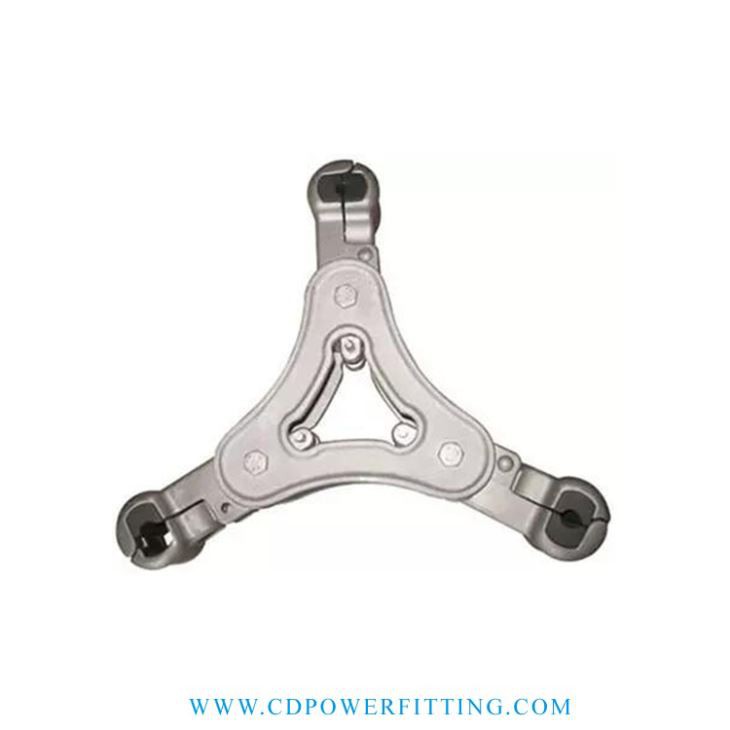
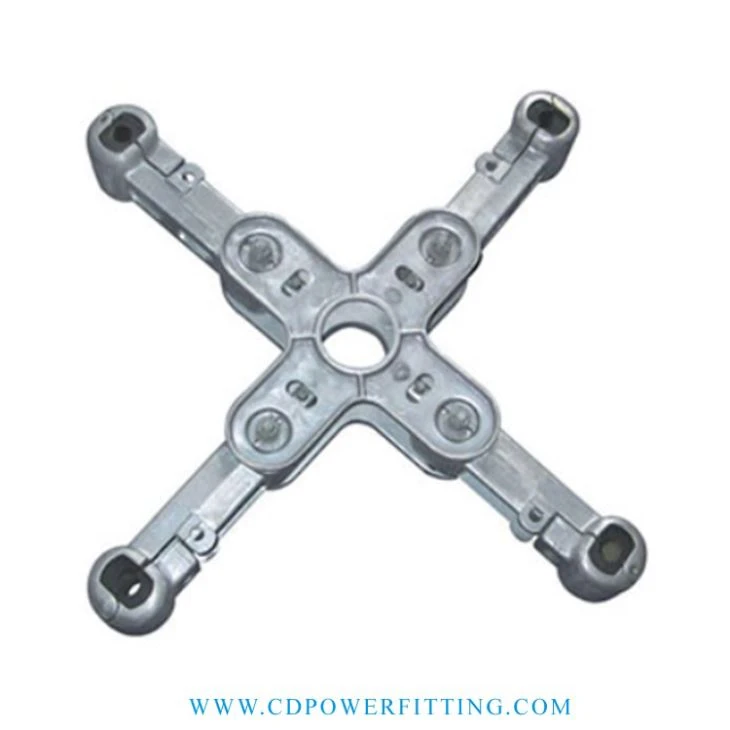
First off, let's talk about the weather conditions. High - altitude areas are known for their extreme weather. You've got low temperatures that can be a real pain in the neck. Metals become more brittle in cold weather, and our Spacer Dampers are no exception. For instance, the Square Frame Spacer Damper [/protective - fitting/spacer - damper/square - frame - spacer - damper.html], which is made of high - quality metals, can face issues like cracking during installation if not handled properly. The cold can also make the rubber parts in the damper stiffer, reducing their flexibility and making it harder to fit them into place.
Wind is another major factor. High - altitude regions often have strong and unpredictable winds. These gusts can make it extremely difficult to maneuver the Spacer Dampers into the right position. Imagine trying to hold a heavy damper steady while the wind is pushing against you. It's not only physically challenging but also dangerous. Workers need to take extra precautions to secure themselves and the equipment. And if the wind is too strong, the installation might have to be halted altogether, which can cause delays in the project.
The thin air at high altitudes is also a problem. Oxygen levels are lower, which means that workers get tired more quickly. Installing Spacer Dampers is a physically demanding job, and with less oxygen available, workers can experience fatigue, shortness of breath, and reduced cognitive function. This can lead to mistakes during installation, such as improper tightening of bolts or incorrect alignment of the damper. For the Protective Spacer Damper [/protective - fitting/spacer - damper/protective - spacer - damper.html], precise installation is crucial for its proper functioning, and any errors due to worker fatigue can compromise its performance.
Transportation to high - altitude areas is a logistical nightmare. The roads are often rough, narrow, and winding. Getting the Spacer Dampers to the installation site can be a slow and difficult process. There's also a risk of damage during transit. The颠簸 (I'm just so used to saying it in Chinese, but here it means the rough ride) on the roads can cause the dampers to shift and bump against each other, potentially damaging their delicate parts. And if the dampers are damaged before installation, they'll need to be repaired or replaced, which adds to the cost and time of the project.
Altitude sickness is a real concern for the workers. Symptoms like headaches, nausea, and dizziness can affect their ability to work effectively. Workers need to acclimatize to the high altitude before starting the installation work. This can take several days, which further delays the project. And even after acclimatization, some workers may still experience mild symptoms that can impact their performance.
The terrain in high - altitude areas is often uneven and rocky. Setting up the necessary equipment for installation, like cranes and scaffolding, can be a challenge. The ground may not be stable enough to support the weight of the equipment, and finding a flat and secure area to place it can be difficult. This can limit the options for installation methods and make the process more complicated. For the Square Frame Type Spacer Damper [/protective - fitting/spacer - damper/square - frame - type - spacer - damper.html], proper installation requires a stable base, and the uneven terrain can make it hard to achieve this.
Communication can also be a problem. High - altitude areas may have poor cell phone reception or limited access to other communication channels. This can make it difficult for workers on the ground to communicate with the supervisors or for different teams to coordinate their efforts. In case of an emergency or if there are any issues during installation, quick communication is essential, and the lack of it can lead to delays and safety risks.
Another aspect is the lack of local support. In some high - altitude areas, there may not be a readily available pool of skilled labor. This means that we often have to bring in our own workers from other areas, which adds to the cost and logistical challenges. And even if we do bring in our own workers, they may not be familiar with the local conditions, which can further complicate the installation process.
Now, despite all these difficulties, we've developed some strategies to overcome them. We make sure to use materials that are more resistant to cold and can withstand the harsh weather conditions. We also train our workers thoroughly on how to deal with high - altitude conditions, including how to prevent and manage altitude sickness. For transportation, we use specialized packaging to protect the Spacer Dampers during transit. And we work closely with local authorities and contractors to get the necessary support and resources for the installation.
If you're in the market for Spacer Dampers and are facing installation in high - altitude areas, don't worry. We've got the experience and expertise to help you out. Our team can provide you with all the necessary guidance and support to ensure a smooth installation process. Whether it's the Square Frame Spacer Damper, the Protective Spacer Damper, or the Square Frame Type Spacer Damper, we've got you covered. So, if you're interested in learning more or want to discuss your specific needs, feel free to reach out to us. We're always happy to have a chat and see how we can work together to make your project a success.
References:
- Personal experiences as a Spacer Damper supplier
- Industry reports on high - altitude installation challenges