


Compression strain clamps are crucial components in electrical transmission and distribution systems, designed to secure conductors and withstand mechanical stress. As a leading supplier of compression strain clamps, we understand the importance of proper maintenance to ensure their long - term performance and reliability. In this blog, we will discuss how to maintain a compression strain clamp effectively.
Understanding Compression Strain Clamps
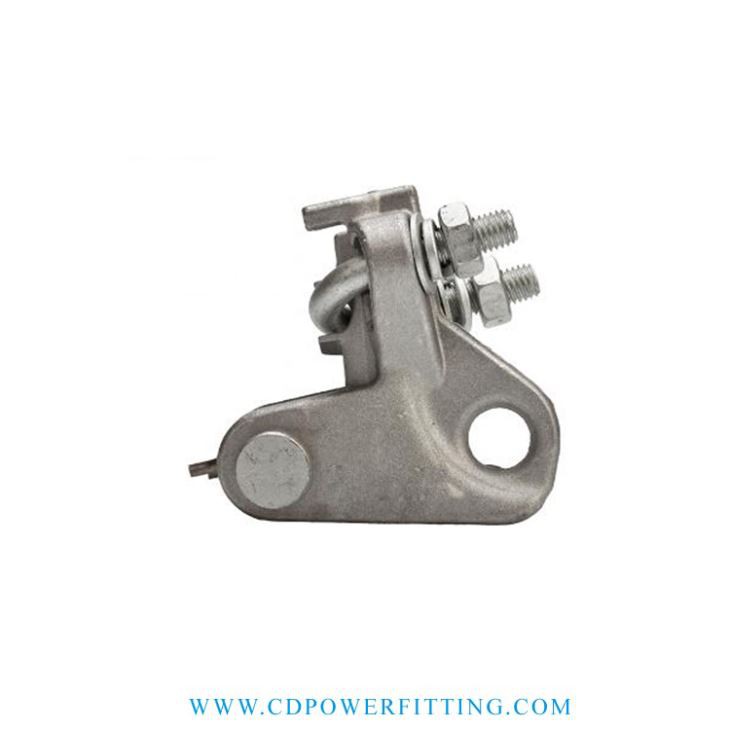
Before delving into maintenance, it's essential to understand what compression strain clamps are and how they work. Compression strain clamps are used to terminate and anchor conductors, such as overhead power lines, to support structures. They work by applying a compressive force to the conductor, creating a strong and reliable connection. There are different types of compression strain clamps available in the market, such as the Aluminium Alloy Bolted Type Tension Clamp, Aluminum Alloy Gun Type Strain Clamp, and Sigle Bolted Type Strain Clamp. Each type has its unique features and applications, but the basic principle of operation remains the same.
Regular Visual Inspections
The first step in maintaining a compression strain clamp is to conduct regular visual inspections. This should be done at least once a year, or more frequently in harsh environments. During the inspection, look for signs of physical damage, such as cracks, corrosion, or deformation. Check the clamping surfaces for any signs of wear or damage, as this can affect the clamp's ability to hold the conductor securely.
Inspect the bolts and nuts for tightness. Loose bolts can cause the clamp to lose its grip on the conductor, leading to increased resistance and potential overheating. Use a torque wrench to ensure that the bolts are tightened to the manufacturer's recommended specifications.
Examine the conductor within the clamp. Look for signs of abrasion, fraying, or discoloration. If any of these issues are present, it may indicate that the clamp is not properly installed or that there is excessive stress on the conductor.
Cleaning and Corrosion Prevention
Compression strain clamps are often exposed to the elements, which can lead to corrosion over time. Corrosion can weaken the clamp and reduce its performance, so it's important to clean and protect it regularly.
Use a mild detergent and water to clean the clamp. Avoid using abrasive cleaners or tools, as these can damage the surface of the clamp. After cleaning, dry the clamp thoroughly to prevent moisture from causing corrosion.
Apply a corrosion - resistant coating to the clamp. This can help to protect it from the effects of moisture, salt, and other corrosive substances. There are many different types of coatings available, so choose one that is suitable for the specific environment in which the clamp is installed.
Testing and Monitoring
In addition to visual inspections and cleaning, it's also important to test and monitor the performance of the compression strain clamp. This can be done using a variety of methods, such as electrical resistance testing and temperature monitoring.
Electrical resistance testing involves measuring the resistance of the clamp and the conductor. An increase in resistance can indicate a problem with the clamp, such as a loose connection or corrosion. Regular resistance testing can help to detect these issues early, allowing for timely repairs or replacements.
Temperature monitoring is another effective way to assess the performance of the compression strain clamp. Overheating can be a sign of a problem, such as excessive resistance or a loose connection. Use infrared thermography to monitor the temperature of the clamp during normal operation. If the temperature of the clamp is significantly higher than the surrounding environment, it may indicate a problem that needs to be addressed.

Proper Installation and Handling
Proper installation and handling are crucial for the long - term performance of compression strain clamps. When installing a clamp, follow the manufacturer's instructions carefully. Ensure that the clamp is the correct size and type for the conductor and the application.
Use the appropriate tools for installation, such as torque wrenches and compression tools. Improper installation can lead to a weak connection, which can cause problems such as overheating and conductor failure.
During handling, be careful not to damage the clamp. Avoid dropping or hitting the clamp, as this can cause cracks or other damage. Store the clamps in a dry, clean environment to prevent corrosion and damage.
Training and Education
Finally, it's important to provide training and education to the personnel responsible for maintaining the compression strain clamps. This can help to ensure that they understand the importance of proper maintenance and how to perform the necessary tasks correctly.
Training should include topics such as visual inspections, cleaning, corrosion prevention, testing, and proper installation. Provide hands - on training whenever possible, so that the personnel can gain practical experience in maintaining the clamps.
Conclusion
Maintaining a compression strain clamp is essential for ensuring its long - term performance and reliability. By conducting regular visual inspections, cleaning and preventing corrosion, testing and monitoring, installing and handling the clamp properly, and providing training and education, you can extend the lifespan of the clamp and reduce the risk of failures.
As a trusted supplier of compression strain clamps, we are committed to providing high - quality products and comprehensive support to our customers. If you have any questions about maintaining your compression strain clamps or are interested in purchasing our products, please feel free to contact us for further discussions and procurement negotiations.
References
- Electrical Transmission and Distribution Handbook
- Manufacturer's Installation and Maintenance Guides for Compression Strain Clamps
- Industry Standards for Electrical Equipment Maintenance