


Hey there! As a spacer damper supplier, I've been getting a lot of questions lately about how these nifty little devices influence the mechanical properties of conductors. So, I thought I'd sit down and share some insights on this topic.
Let's start by understanding what a spacer damper is. Simply put, a spacer damper is a device used in overhead power transmission lines. Its main job is to keep multiple conductors at a proper distance from each other and also to dampen vibrations. These vibrations can be caused by various factors like wind, ice, or even the electrical forces between the conductors. If left unchecked, these vibrations can lead to serious problems for the conductors.
Impact on Conductor Tension
One of the key mechanical properties of conductors is tension. When you install a spacer damper, it helps in distributing the tension more evenly across the conductors. In a bundle of conductors, without a spacer damper, the tension can vary significantly from one conductor to another. This uneven tension can cause some conductors to bear more stress than others, which can lead to premature wear and tear.
For example, in a strong wind situation, the conductors can sway and twist. A well - placed spacer damper acts like a stabilizer. It restricts the excessive movement of the conductors and ensures that the tension remains within a safe range. This is crucial because if the tension in a conductor gets too high, it can break, leading to power outages and costly repairs.
Reducing Fatigue
Another important aspect is fatigue. Conductors are constantly exposed to environmental forces, and these forces can cause them to vibrate. Over time, these vibrations can lead to fatigue failure. Fatigue occurs when a material weakens due to repeated loading and unloading.
Spacer dampers play a vital role in reducing fatigue. They absorb and dissipate the energy from the vibrations. By doing so, they reduce the amplitude of the vibrations and the number of stress cycles that the conductors experience. This significantly extends the lifespan of the conductors.
Let's say you have a Two Bundles Spacer Damper installed. It helps in keeping the two conductors in the bundle in a stable position relative to each other. This reduces the rubbing and chafing between the conductors, which is another source of fatigue.
Improving Aerodynamic Performance
The aerodynamics of conductors is also affected by spacer dampers. In windy conditions, conductors can act like airfoils and generate lift and drag forces. These forces can cause the conductors to gallop, which is a large - amplitude, low - frequency vibration.
Spacer dampers disrupt the smooth flow of air around the conductors. They break up the aerodynamic forces and prevent the conductors from galloping. This is especially important in areas with high wind speeds or where the conductors are exposed to strong gusts.
For instance, an Aluminium Hexagon Spacer Damper is designed in a way that it can effectively disrupt the air flow. Its unique shape and structure help in reducing the aerodynamic forces acting on the conductors.
Enhancing Conductor Stability
Stability is a crucial mechanical property of conductors. Without proper stability, conductors can move too much, which can lead to short - circuits or damage to the supporting structures.
Spacer dampers provide additional support to the conductors and keep them in place. They act as a physical barrier that prevents the conductors from getting too close to each other or to other objects. This is particularly important in areas with complex terrain or where there are multiple power lines in close proximity.
A Spacer Damper For Double Cable is specifically designed to keep two cables at a fixed distance. This ensures that the cables remain stable and do not interfere with each other's operation.
Material and Design Considerations
The material and design of the spacer damper also have a significant impact on how it influences the mechanical properties of conductors. For example, using high - quality materials like aluminum alloy can ensure that the spacer damper is lightweight yet strong enough to withstand the environmental conditions.
The design of the spacer damper should be such that it can be easily installed and adjusted. It should also be able to adapt to different conductor configurations and sizes. A well - designed spacer damper will have a better impact on the mechanical properties of the conductors.
Real - World Examples
I've seen firsthand the difference that a good spacer damper can make. In one project, a power transmission line was experiencing frequent conductor failures due to vibrations. After installing our spacer dampers, the number of failures dropped significantly. The conductors were more stable, and the maintenance costs were reduced.
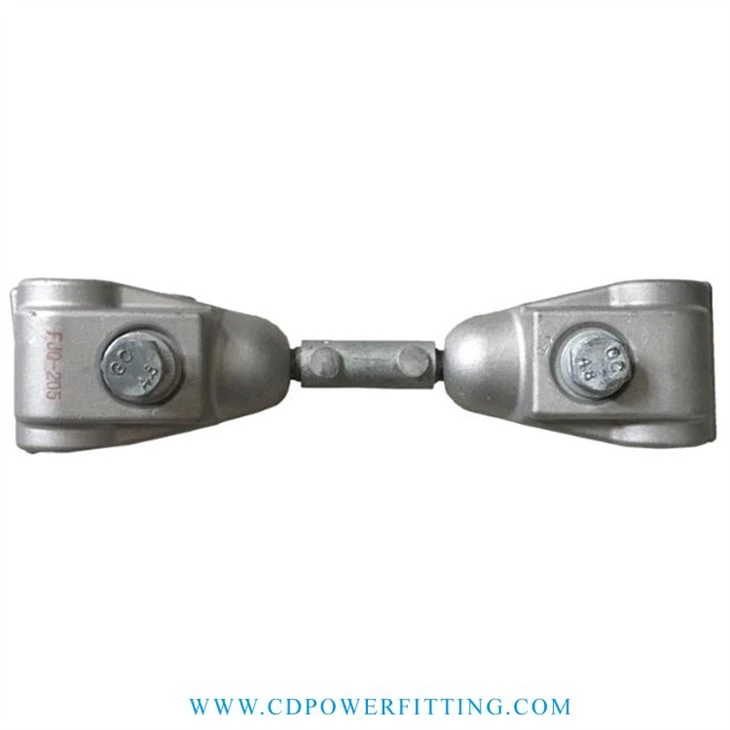
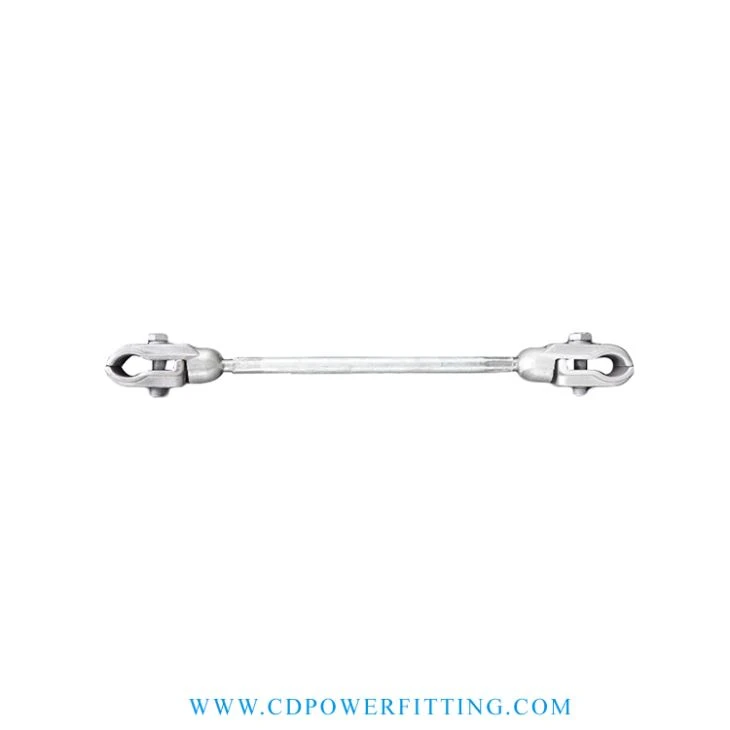
In another case, a power company was facing problems with conductor galloping in a coastal area. By using our aerodynamically designed spacer dampers, they were able to eliminate the galloping issue and ensure the reliable operation of the power line.
Conclusion
In conclusion, spacer dampers have a profound influence on the mechanical properties of conductors. They help in distributing tension evenly, reducing fatigue, improving aerodynamic performance, and enhancing conductor stability. Whether you're dealing with a small - scale power line or a large - scale transmission network, the right spacer damper can make a big difference.
If you're in the market for spacer dampers, I'd love to have a chat with you. We have a wide range of products to suit different needs and budgets. Don't hesitate to reach out for more information or to discuss your specific requirements.
References
- IEEE Standard for Spacer Dampers for Bundled Conductors
- CIGRE Technical Brochure on Overhead Line Conductor Vibration and Damping