


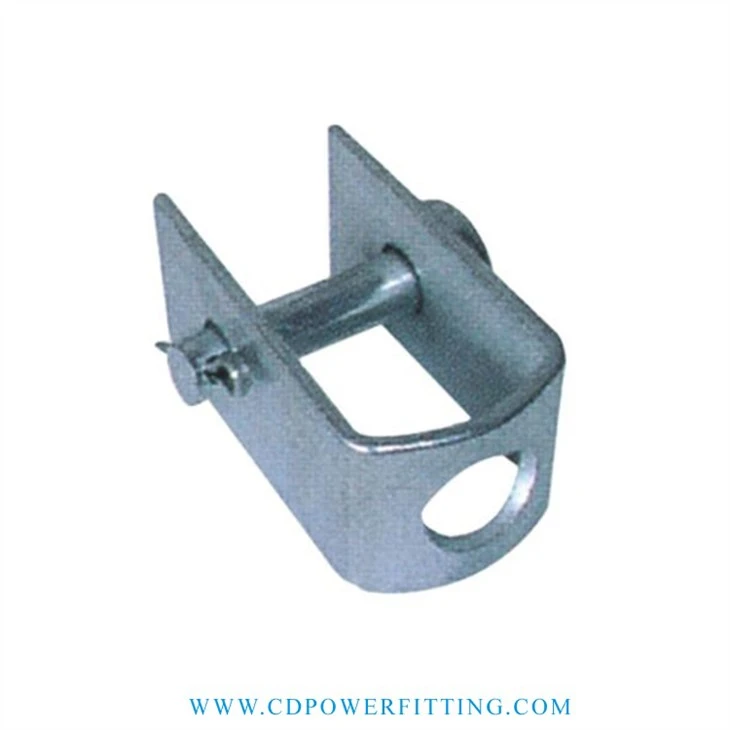
As a supplier of link fittings, ensuring the proper torque when tightening these components is of utmost importance. Link fittings, such as Galvanized Yoke Plate, Galvanized Pigtail Screw, and U Clevis Tongue, are used in a wide range of applications, from power lines to various mechanical systems. Incorrect torque can lead to a variety of issues, including component failure, safety hazards, and reduced performance. In this blog, I will share some key steps and considerations to help you ensure the proper torque when tightening link fittings.

Understanding Torque
Torque is the rotational force applied to a fastener, such as a bolt or a nut, to achieve a specific level of tightness. It is measured in units like Newton - meters (N·m) or foot - pounds (ft - lb). The proper torque is crucial because it determines the clamping force between the connected parts. If the torque is too low, the fitting may loosen over time due to vibrations or dynamic loads, leading to potential disconnection. On the other hand, if the torque is too high, it can cause the fastener to stretch, break, or damage the fitting itself.
Consult the Manufacturer's Specifications
The first and most important step is to consult the manufacturer's specifications for the link fitting. Each type of fitting has its own recommended torque values based on factors such as material, size, and intended application. These specifications are usually provided in the product documentation or technical data sheets. For example, a small - sized Galvanized Pigtail Screw may require a different torque value compared to a larger U Clevis Tongue. By following the manufacturer's guidelines, you can ensure that the fitting is tightened to the optimal level.
Use the Right Tools
Using the appropriate tools is essential for achieving the proper torque. A torque wrench is the most accurate tool for this purpose. There are different types of torque wrenches, including click - type, beam - type, and digital torque wrenches. Click - type torque wrenches are popular because they emit an audible click when the preset torque value is reached, indicating that you should stop tightening. Beam - type torque wrenches have a pointer that shows the applied torque on a scale. Digital torque wrenches provide a digital readout of the torque value, which can be more precise.
Before using a torque wrench, make sure it is calibrated correctly. An uncalibrated torque wrench can lead to inaccurate torque application. You can have your torque wrench calibrated by a professional calibration service at regular intervals, typically once a year or more frequently if it is used heavily.
Prepare the Fitting and Fasteners
Proper preparation of the fitting and fasteners is also crucial. First, clean the mating surfaces of the link fitting and the fasteners to remove any dirt, debris, or rust. This ensures a good contact between the parts and helps to achieve a more accurate torque. If there are any burrs or rough edges on the fasteners or the fitting, smooth them out to prevent uneven tightening.
Apply a suitable lubricant to the threads of the fasteners if recommended by the manufacturer. Lubrication can reduce friction between the threads, which in turn affects the torque - clamping force relationship. However, be careful not to over - lubricate, as this can also lead to inaccurate torque readings.
Tightening Procedure
When tightening the link fitting, follow a specific tightening sequence. For multiple - bolted fittings, start by hand - tightening all the bolts evenly to ensure proper alignment. Then, use the torque wrench to tighten the bolts in a criss - cross or star pattern. This helps to distribute the clamping force evenly across the fitting and prevents distortion.
Tighten the fasteners gradually in steps. For example, you can first tighten them to about 50% of the recommended torque value, then go back and tighten them to the full recommended torque. This step - by - step approach allows the fitting to adjust and helps to achieve a more uniform clamping force.
Check for Proper Installation
After tightening the link fitting, visually inspect the installation to ensure that everything is in place. Check for any signs of damage, such as cracks or deformation in the fitting or the fasteners. Also, check if the fitting is properly aligned and seated. You can use a feeler gauge to check the clearance between the mating surfaces if necessary.
It is also a good idea to perform a follow - up inspection after a period of use. Vibrations and dynamic loads can cause the fasteners to loosen over time, so re - checking the torque after a few hours or days of operation can help to catch any potential issues early.
Training and Safety
Proper training is essential for anyone involved in tightening link fittings. Make sure that your employees or contractors are trained on the correct torque values, the use of torque wrenches, and the proper tightening procedures. This can help to reduce the risk of human error and ensure consistent and accurate torque application.
Safety should always be a top priority. Wear appropriate personal protective equipment (PPE), such as gloves and safety glasses, when working with link fittings. Follow all safety regulations and procedures to prevent accidents and injuries.
Conclusion
Ensuring the proper torque when tightening link fittings is a critical aspect of their installation and use. By following the manufacturer's specifications, using the right tools, preparing the fitting and fasteners properly, following a correct tightening procedure, and performing regular inspections, you can minimize the risk of component failure and ensure the safe and reliable operation of your systems.
If you are in the market for high - quality link fittings, including Galvanized Yoke Plate, Galvanized Pigtail Screw, and U Clevis Tongue, we are here to help. Our products are designed to meet the highest industry standards, and we can provide you with the technical support and guidance you need for proper installation. Contact us today to discuss your procurement needs and start a successful business partnership.
References
- Machinery's Handbook, 31st Edition. This comprehensive reference book provides detailed information on torque values, fastener design, and mechanical engineering principles.
- ASME B18.2.1 - 2017: Square and Hex Bolts and Screws (Inch Series). This standard from the American Society of Mechanical Engineers provides specifications for bolts and screws, including torque requirements.
- ISO 898 - 1:2013: Mechanical properties of fasteners made of carbon steel and alloy steel -- Part 1: Bolts, screws and studs with specified property classes -- Coarse thread and fine pitch thread. This international standard covers the mechanical properties of fasteners, which is relevant to understanding torque requirements.