


When working with gas pipes, safety is of the utmost importance. One question that often arises is whether it's possible to use a Compression Tap Connector on a gas pipe. As a Compression Tap Connector supplier, I'm here to provide you with a comprehensive analysis of this topic, taking into account safety, regulations, and the technical aspects involved.
Understanding Compression Tap Connectors
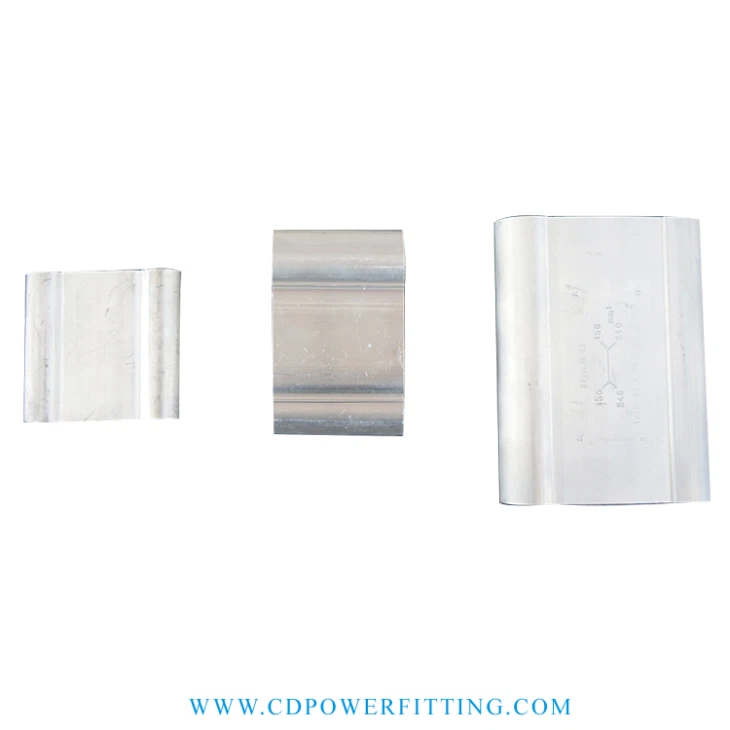
Compression Tap Connectors are widely used in various plumbing and piping systems. They work on the principle of compression, where a nut is tightened to compress a ferrule or gasket around the pipe, creating a tight seal. These connectors come in different types and materials, such as the Aluminium Compression Tap Connector, Bolted Type C Connector, and H Type Connector, each designed for specific applications.
Safety Considerations in Gas Pipe Connections
Gas is a highly flammable and potentially dangerous substance. Any connection made on a gas pipe must be able to withstand the pressure and ensure a leak - proof seal. Leaks in gas pipes can lead to explosions, fires, and health hazards from gas inhalation.
The integrity of a gas pipe connection depends on several factors. Firstly, the material of the connector must be compatible with the gas being transported. For example, natural gas and propane have different chemical properties, and the connector material should not corrode or react with the gas over time. Secondly, the connector must be able to handle the pressure of the gas system. Gas pipes typically operate at higher pressures than water pipes, and a connector that can't withstand the pressure may fail.
Can Compression Tap Connectors Be Used on Gas Pipes?
The answer to whether you can use a Compression Tap Connector on a gas pipe is not a simple yes or no. It depends on several conditions and regulations.
Regulatory Requirements
In many regions, there are strict regulations governing the installation of gas pipe connections. These regulations are in place to ensure public safety. Some local codes may explicitly prohibit the use of certain types of compression connectors on gas pipes. For example, in some areas, only welded or threaded connections are allowed for main gas supply lines. However, for secondary or low - pressure gas lines, compression connectors may be permitted under certain conditions.
Connector Design and Quality
The design and quality of the Compression Tap Connector play a crucial role. A high - quality connector, designed specifically for gas applications, is more likely to provide a safe and reliable connection. Reputable manufacturers test their connectors to ensure they meet industry standards for gas pressure, leakage, and compatibility with different gases.
Our company offers a range of Compression Tap Connectors that are designed to meet or exceed relevant safety standards. The Aluminium Compression Tap Connector is made from high - grade aluminium, which offers good corrosion resistance and is suitable for use in certain gas pipe applications. The Bolted Type C Connector provides a robust connection, ensuring that the joint remains secure under pressure. And the H Type Connector is designed for easy installation and reliable performance.
Installation Process
Proper installation is essential when using a Compression Tap Connector on a gas pipe. The pipe must be clean, free of debris and burrs, and cut to the correct length. The ferrule or gasket must be properly seated and the nut tightened to the recommended torque. Over - tightening or under - tightening can lead to leaks. It is also recommended that the installation be carried out by a qualified professional who is familiar with gas pipe systems and local regulations.
Advantages of Using Compression Tap Connectors on Gas Pipes
If used correctly and in compliance with regulations, Compression Tap Connectors offer several advantages for gas pipe connections.
- Ease of Installation: Compression connectors are generally easier to install compared to welded or threaded connections. This can save time and labor costs during installation.
- Reusability: In some cases, Compression Tap Connectors can be removed and reused, which is useful for maintenance or system modifications.
- Flexibility: They can be used in a variety of pipe sizes and configurations, providing flexibility in gas pipe system design.
Disadvantages and Risks
However, there are also some disadvantages and risks associated with using Compression Tap Connectors on gas pipes.
- Leak Potential: If not installed correctly, compression connectors are more likely to leak compared to welded or threaded connections. A small leak can be a significant safety hazard.
- Limited Pressure Capacity: Some compression connectors may have a limited pressure capacity, which may not be suitable for high - pressure gas systems.
- Vibration and Movement: Gas pipes are often subject to vibration and movement. Compression connectors may be more susceptible to loosening over time due to these factors.
Conclusion
In conclusion, while it is possible to use a Compression Tap Connector on a gas pipe, it is crucial to consider the regulatory requirements, the design and quality of the connector, and the proper installation process. As a Compression Tap Connector supplier, we are committed to providing high - quality products that meet the safety and performance needs of our customers.

If you are considering using a Compression Tap Connector for your gas pipe project, we encourage you to consult with a qualified professional and check your local regulations. Our team of experts is also available to provide guidance on the selection and installation of the right connector for your specific application.
If you are interested in purchasing our Compression Tap Connectors, we welcome you to contact us for more information and to discuss your procurement needs. We are dedicated to ensuring that you get the best - fitting connectors for your gas pipe systems at competitive prices.
References
- "National Fuel Gas Code" by the National Fire Protection Association
- "Gas Piping Systems: Design and Installation" technical manual by a leading plumbing and gas industry organization