


Can an Insulation Tension Clamp be used in low - voltage lines?
Hey there! As a supplier of insulation tension clamps, I get this question a lot: Can an insulation tension clamp be used in low - voltage lines? Well, let's dive right in and find out.
First off, let's understand what an insulation tension clamp is. It's a device that's designed to hold electrical conductors in place, providing both mechanical support and electrical insulation. This means it helps keep the wires from sagging or moving around, and it also prevents electrical leakage.
Now, when it comes to low - voltage lines, they typically operate at voltages below 1000 volts. These lines are commonly used in residential and small commercial settings to distribute electricity to homes and businesses.
So, can insulation tension clamps be used in these low - voltage lines? The short answer is yes, they can. In fact, they're a great choice for low - voltage applications for several reasons.
One of the main benefits of using insulation tension clamps in low - voltage lines is safety. Since these clamps provide electrical insulation, they reduce the risk of electrical shock. This is especially important in areas where people may come into contact with the lines, like in residential neighborhoods.
Another advantage is durability. Insulation tension clamps are built to last. They can withstand various environmental conditions, such as extreme temperatures, moisture, and UV radiation. This means they'll keep your low - voltage lines secure and functioning properly for a long time.
Let's talk about the different types of insulation tension clamps available. There are Plastic Tension Clamp, which are lightweight and cost - effective. They're a popular choice for low - voltage applications because they're easy to install and can provide good insulation.
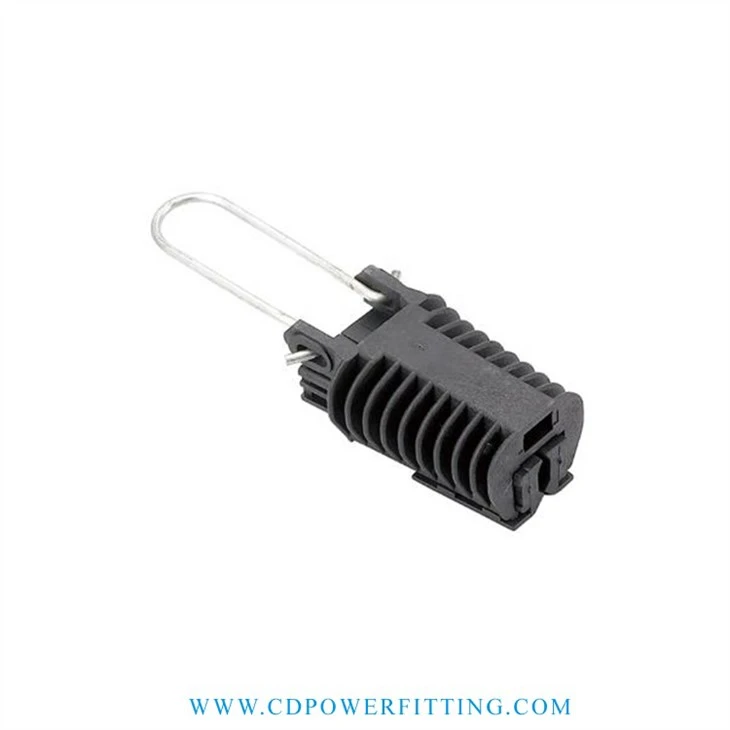

Then there are Aluminium Alloy Strain Clamp. These clamps are stronger and more resistant to corrosion compared to plastic ones. They're ideal for situations where the lines need to withstand higher tension or where the environment is more harsh.
And of course, we have the Plastic Insulated Tension Clamp. This type combines the benefits of plastic and insulation, offering a great balance between cost, durability, and insulation performance.
When it comes to installation, using insulation tension clamps in low - voltage lines is relatively straightforward. You just need to make sure you follow the manufacturer's instructions. First, you'll need to select the right size and type of clamp for your specific application. Then, you'll attach the clamp to the conductor and secure it in place. It's important to ensure that the clamp is tightened properly to prevent any movement or loosening over time.
However, like any product, there are a few things to keep in mind when using insulation tension clamps in low - voltage lines. For example, you need to make sure that the clamp is compatible with the type of conductor you're using. Different conductors have different properties, and using an incompatible clamp can lead to poor performance or even damage to the conductor.
Also, it's important to regularly inspect the clamps for any signs of wear or damage. Over time, the clamps may be exposed to various stresses, and it's crucial to catch any issues early to prevent any potential problems.
In conclusion, insulation tension clamps are a great option for low - voltage lines. They offer safety, durability, and ease of installation. Whether you choose a plastic tension clamp, an aluminium alloy strain clamp, or a plastic insulated tension clamp, you can be confident that your low - voltage lines will be well - supported and protected.
If you're interested in purchasing insulation tension clamps for your low - voltage line projects, don't hesitate to reach out. We're here to help you find the right solution for your needs. We can provide you with more information about our products, answer any questions you may have, and assist you with the purchasing process.
References:
- Electrical Installation Handbook
- Guide to Low - Voltage Electrical Systems