



As a provider of Compression Tap Connectors, I've witnessed firsthand the critical role these components play in electrical systems. Compression Tap Connectors are essential for creating reliable connections between conductors, ensuring efficient power transmission. However, one aspect that often goes unnoticed but can have a significant impact on their performance is chemical exposure. In this blog, I'll delve into the effects of chemical exposure on Compression Tap Connectors and why it's crucial for us to understand these implications.
Understanding Compression Tap Connectors
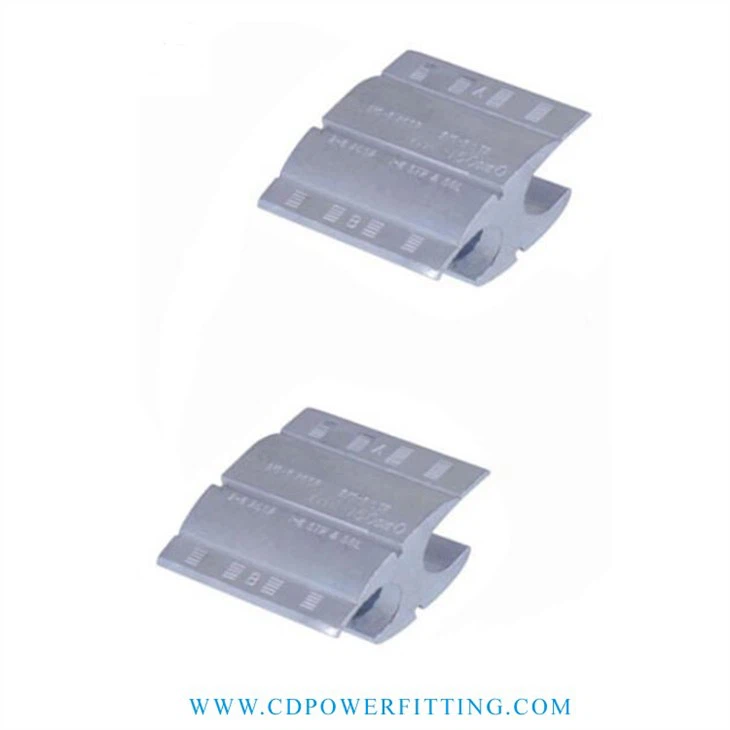
Before we explore the impact of chemical exposure, let's briefly understand what Compression Tap Connectors are. These connectors are used to create a secure and low - resistance connection between a main conductor and a tap conductor in electrical systems. They come in various types, such as the C Type Clamp, Aluminium Compression Tap Connector, and H Type Connector. Each type is designed to meet specific requirements, whether it's for different conductor materials, sizes, or installation environments.
Types of Chemical Exposure
Compression Tap Connectors can be exposed to a wide range of chemicals in different settings. In industrial environments, they may come into contact with acids, alkalis, solvents, and lubricants. For example, in a chemical manufacturing plant, connectors could be exposed to corrosive acids used in the production process. In outdoor settings, connectors are exposed to environmental chemicals such as saltwater in coastal areas, sulfur dioxide from industrial emissions, and acidic rain. Even in indoor settings, cleaning agents and moisture can pose a threat to the integrity of the connectors.
Corrosion
One of the most significant impacts of chemical exposure on Compression Tap Connectors is corrosion. When connectors are exposed to corrosive chemicals, the metal surfaces start to react with the chemicals, leading to the formation of oxides, hydroxides, or other corrosion products. For instance, if a connector made of aluminum is exposed to an acidic environment, the aluminum can react with the acid to form aluminum salts and hydrogen gas. This corrosion process can weaken the physical structure of the connector, leading to cracks and fractures. As a result, the mechanical strength of the connection is compromised, and the connector may fail to hold the conductors securely.

Corrosion also increases the electrical resistance of the connection. The corrosion products are often poor conductors of electricity compared to the original metal. As the resistance increases, more heat is generated at the connection point according to the Joule's law (P = I²R, where P is power, I is current, and R is resistance). Excessive heat can further accelerate the corrosion process and may even lead to thermal runaway, where the temperature at the connection keeps rising until the connector fails completely.
Material Degradation
Chemical exposure can also cause material degradation in Compression Tap Connectors. Some chemicals can dissolve or swell the insulating materials used in the connectors. For example, solvents can dissolve plastic insulators, reducing their insulating properties. This can lead to electrical leakage, which is not only a waste of energy but also a safety hazard. In addition, the swelling of insulating materials can put stress on the connector, causing it to deform and potentially lose its connection integrity.
Impact on Electrical Performance
The electrical performance of Compression Tap Connectors is directly affected by chemical exposure. As mentioned earlier, corrosion increases resistance, which can lead to voltage drops across the connection. A significant voltage drop can affect the operation of electrical equipment connected to the system. For example, if the voltage supplied to a motor is lower than its rated value due to a high - resistance connection, the motor may run less efficiently, draw more current, and overheat. This can shorten the lifespan of the motor and increase the risk of electrical failures.
Chemical exposure can also affect the contact resistance between the connector and the conductors. A stable and low contact resistance is crucial for efficient power transmission. When chemicals contaminate the contact surfaces, they can form a layer of non - conducting material, increasing the contact resistance. This can lead to power losses and reduced system efficiency.
Environmental and Operational Considerations
When selecting Compression Tap Connectors, it's essential to consider the environmental and operational conditions where they will be used. In corrosive environments, such as chemical plants or coastal areas, connectors made of corrosion - resistant materials should be chosen. For example, stainless - steel connectors are more resistant to corrosion than aluminum or copper connectors in some acidic or saline environments.
In addition, proper installation and maintenance can help mitigate the impact of chemical exposure. Connectors should be installed in a clean and dry environment, and any exposed surfaces should be protected with appropriate coatings or seals. Regular inspections should be carried out to detect early signs of corrosion or material degradation. If any issues are found, the connectors should be replaced or repaired promptly.
Preventive Measures
To protect Compression Tap Connectors from chemical exposure, several preventive measures can be taken. One of the most effective ways is to use protective coatings. Coatings such as epoxy, polyurethane, or zinc - based coatings can provide a barrier between the connector and the chemicals. These coatings can resist corrosion and prevent chemicals from reaching the metal surface.
Another preventive measure is to use proper insulation and sealing. Insulating materials should be selected based on their chemical resistance properties. Seals can be used to prevent moisture and chemicals from entering the connector. For example, O - rings or gaskets can be used to seal the joints of the connector, providing an additional layer of protection.
Importance of Quality Connectors
As a Compression Tap Connector supplier, I understand the importance of providing high - quality products. Quality connectors are designed to withstand a certain level of chemical exposure. They are made of high - grade materials and undergo strict manufacturing processes to ensure their durability and performance. By choosing quality connectors, customers can reduce the risk of failures caused by chemical exposure and ensure the long - term reliability of their electrical systems.
Conclusion
Chemical exposure can have a profound impact on Compression Tap Connectors, affecting their mechanical, electrical, and material properties. Corrosion, material degradation, and increased resistance are some of the main consequences of chemical exposure. However, by understanding these impacts and taking appropriate preventive measures, such as using corrosion - resistant materials, protective coatings, and proper installation and maintenance, we can minimize the risks.
If you're in need of reliable Compression Tap Connectors for your electrical systems, whether it's the C Type Clamp, Aluminium Compression Tap Connector, or H Type Connector, I encourage you to reach out to discuss your specific requirements. We're committed to providing high - quality products that can withstand the challenges of different environments. Let's work together to ensure the safety and efficiency of your electrical systems.
References
- "Electrical Connectors Handbook" by Ralph W. Moore
- "Corrosion Engineering" by Fontana, M. G.
- "Materials Science and Engineering: An Introduction" by William D. Callister, Jr. and David G. Rethwisch